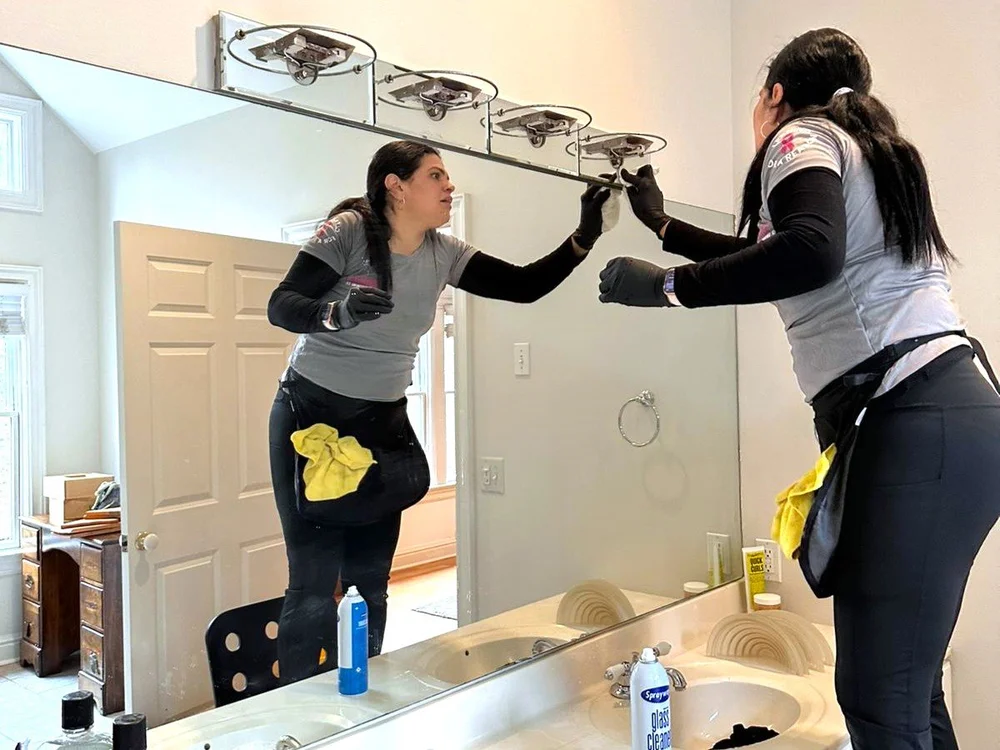
Keeping a clean home isn’t just about appearances. Regular cleaning reduces dust, allergens, bacteria, and clutter, creating a healthier, more comfortable home. But with busy schedules, it can be hard to know when to do each task. Should you clean your bathroom every week? How often should you vacuum? Is it really necessary to deep clean every month?
Cleaning schedules vary from one home to another. A house with pets, young children, or heavy daily use will usually need more frequent cleaning than a smaller household. Finding the right schedule for your home makes it easier to stay organized and keep chores from piling up.
In this guide, we’ll break down the ideal cleaning frequency for every room, provide a simple cleaning calendar, and share practical tips for creating a schedule that works for your home.
Why Cleaning Frequency Matters
It’s easy to put off cleaning when your home doesn’t look messy. The problem is that dust, dirt, and everyday grime keep building even when they’re not obvious. Waiting too long often turns simple chores into bigger, more time-consuming jobs.
Cleaning on a regular schedule helps keep those tasks manageable. Instead of setting aside an entire day to catch up, you can spread the work throughout the week and spend less time cleaning overall.
A consistent routine also helps protect the areas of your home you use most. Vacuuming regularly keeps dirt from settling into carpets, wiping down kitchen surfaces helps prevent grease and bacteria from building up, and cleaning bathrooms often makes soap scum and mildew easier to control.
You don’t need to clean every room every day. The goal is to clean each area often enough that messes stay under control, making your home easier to maintain year-round.
How Often Should You Clean Each Room?
Not every room in your home needs the same level of attention. Some spaces, like kitchens and bathrooms, are used daily and need more frequent cleaning. Others can usually wait a week or longer before they need a thorough cleaning.
The sections below explain how often to clean each room and why a consistent schedule can save you time, while reminding you to adjust routines as your household needs change, helping you feel more in control.
Kitchen
The kitchen sees more daily activity than almost any other room in the home. Between cooking, preparing meals, washing dishes, and grabbing quick snacks, countertops, sinks, and appliances are constantly being used. As a result, crumbs, grease, and bacteria can build up faster than in other areas.
Cleaning a few key surfaces each day makes a big difference. Wipe down countertops, clean the sink, and wash dishes to keep food residue from building up. Once a week, mop the floor, wipe appliance exteriors, and clean cabinet fronts to remove grease and fingerprints.
About once a month, clean inside the microwave, wipe refrigerator shelves, and check for expired food. Doing these tasks regularly keeps the kitchen cleaner and prevents bigger jobs from piling up.
Keeping up with these smaller tasks makes deep cleaning much easier when you need it.
Bathroom
Bathrooms need frequent cleaning because they stay warm and damp, creating the perfect environment for soap scum, mildew, and bacteria to build up. Since people use them daily, even a few missed cleanings can make the room harder to maintain.
Wipe down sinks, countertops, and high-touch surfaces like faucets and toilet handles throughout the week. At least once a week, scrub the toilet, shower, tub, mirrors, and floors to remove dirt and prevent buildup before it becomes more difficult to clean.
About once a month, clean grout lines, wipe down the exhaust fan, and wash or replace the shower curtain liner if needed. Cleaning these areas regularly helps prevent odors, reduce mildew, and make weekly bathroom cleaning faster.
Bedrooms
Bedrooms usually stay cleaner than other areas of the home, but they still collect dust, allergens, and clutter.
Making the bed each morning and putting away clothes only takes a few minutes, yet it makes the room feel much cleaner. Once a week, dust furniture, vacuum or mop the floor, and change bed linens.
Monthly tasks include vacuuming under the bed, dusting ceiling fans, and cleaning windows or blinds.
Living Areas
Living rooms and family rooms often see the most daily activity. They collect dust, pet hair, crumbs, and fingerprints, especially in households with children or pets.
Straightening pillows, folding blankets, and putting away clutter each day helps maintain a tidy appearance. Vacuum weekly, dust furniture, and wipe electronics to prevent dirt from building up.
Every month, move lightweight furniture to vacuum underneath, dust light fixtures, and clean upholstery as needed.
Entryways and Hallways
Your entryway is the first place dirt enters your home. Shoes, backpacks, and outdoor debris can quickly make these areas look messy.
Sweeping or vacuuming several times a week helps keep dirt from spreading throughout the house. Weekly mopping and wiping down doors, trim, and high-touch surfaces will help maintain a cleaner entrance.
Don’t forget to shake out entry rugs and clean doormats regularly since they trap much of the dirt before it reaches the rest of your home.
Laundry Room
The laundry room often gets overlooked, even though you use it regularly.
Lint, detergent spills, and dust can build up around the washer and dryer over time. Wipe down machines weekly, sweep the floor, and empty the dryer’s lint trap after every load.
Once a month, vacuum behind the appliances if possible and inspect the dryer vent for excess lint to help improve efficiency and reduce potential fire hazards.
Before building your own routine, it helps to see how often each room typically needs attention. The table below provides a simple room-by-room cleaning schedule that most homeowners can use as a starting point.
| Room | Daily | Weekly | Monthly |
| Kitchen | Wipe counters, wash dishes, clean sink | Mop floors, wipe appliances, clean cabinet fronts | Clean inside microwave, refrigerator shelves, and pantry |
| Bathroom | Wipe sink, disinfect high-touch surfaces | Scrub toilet, shower, tub, mirrors, and mop floor | Clean grout, exhaust fan, and shower curtain |
| Bedrooms | Make bed, put away clutter | Dust furniture, vacuum, change sheets | Vacuum under bed, dust ceiling fan, clean blinds |
| Living Areas | Pick up clutter, straighten cushions | Dust furniture, vacuum rugs and floors | Vacuum under furniture, clean upholstery |
| Entryways & Hallways | Sweep if needed | Vacuum or mop floors, wipe doors | Clean doormats and baseboards |
| Laundry Room | Empty lint trap | Wipe machines, sweep floor | Vacuum behind appliances and inspect dryer vent |
Daily, Weekly, and Monthly Cleaning Tasks
Trying to clean your entire home in one day can feel overwhelming. Breaking chores into daily, weekly, and monthly tasks makes the workload much more manageable and helps you stay consistent.
Instead of wondering what to clean next, you’ll always have a simple plan.
Daily Cleaning List
Daily tasks should focus on preventing messes from building up. Most of these chores only take a few minutes but make a noticeable difference throughout the week.
Your daily cleaning list might include:
- Make the beds.
- Wash dishes or load the dishwasher.
- Wipe kitchen countertops.
- Clean the kitchen sink.
- Put away clutter.
- Wipe bathroom sinks if needed.
- Empty trash when full.
Completing these small tasks daily helps keep your home tidy without much effort.
Weekly Cleaning Checklist
Weekly cleaning focuses on the areas you use most.
Common weekly tasks include:
- Vacuum carpets and rugs.
- Sweep and mop hard floors.
- Dust furniture and shelves.
- Clean bathrooms.
- Change bed linens.
- Wipe appliance exteriors.
- Clean mirrors.
- Empty all trash bins.
Completing these chores weekly helps prevent dirt and dust from becoming harder to remove later.
Monthly Cleaning Tasks
Some areas don’t need frequent attention, but you shouldn’t forget them.
Monthly cleaning is a good time to:
- Dust ceiling fans.
- Clean baseboards.
- Wash windows.
- Vacuum under furniture.
- Clean inside appliances.
- Wipe doors and trim.
- Dust vents.
- Organize storage areas.
These tasks take a little more time, but doing them monthly keeps your home in better condition and reduces the need for extensive deep cleaning later.
Organizing tasks by frequency makes it easier to stay on track. Rather than trying to remember everything, you can follow a simple cleaning calendar that spreads the work throughout the month.
| Frequency | Recommended Tasks |
| Daily | Make beds, wash dishes, wipe counters, clean sinks, tidy clutter |
| Weekly | Vacuum, mop floors, dust furniture, clean bathrooms, change bed linens, empty trash |
| Monthly | Clean baseboards, wash windows, dust ceiling fans, vacuum under furniture, clean appliances |
| Every 3–6 Months | Deep clean carpets, wash curtains, clean behind appliances, organize closets, clean air vents |
can often be cleaned less frequently. Prioritizing the rooms you use the most helps you spend your time where it has the biggest impact.
A cleaning calendar or tracker can help you stay consistent, especially for monthly or seasonal tasks that are easy to forget. Whether you prefer a paper planner, a wall calendar, or a phone app, a visual reminder makes it easier to keep your routine on track.
Don’t be afraid to adjust your schedule as your household changes. A new pet, a busy season at work, or school starting back up may mean certain chores need to happen more often while others can wait. The best cleaning schedule is one that you can maintain without feeling like you’re constantly trying to catch up.
Signs It’s Time to Adjust Your Routine
A cleaning schedule should make your lifeA cleaning calendar doesn’t have to be complicated. Even following a simple routine can help you stay ahead of household chores and make full home cleaning feel much more manageable.
What Changes Your Cleaning Schedule?
A cleaning schedule isn’t something you create once and never change. How you use your home directly affects how quickly dirt, dust, and clutter build up. A household with pets, young children, or several family members will usually need more frequent cleaning than someone living alone.
Instead of following a fixed schedule, adjust your routine based on how you use your home. That way, you’re cleaning often enough to stay ahead of the mess without spending more time than necessary.
Pets
Pets can change how often certain areas need cleaning. Hair, dander, muddy paws, and tracked-in dirt tend to collect on floors, rugs, and furniture much faster than they would in a home without animals.
If you have one or more pets, you may need to vacuum several times a week, especially in the rooms where they spend the most time. Washing pet bedding regularly and wiping muddy paw prints before they dry can also help keep dirt from spreading throughout the house.
Young Children
Children create a steady stream of everyday messes. Crumbs after meals, sticky fingerprints, toys on the floor, and small spills can quickly make a clean room feel cluttered again.
Instead of saving all your cleaning for the weekend, it’s often easier to tackle these messes as they happen. Wiping surfaces after meals, putting toys away at the end of the day, and vacuuming high-traffic areas a little more often can help keep your regular cleaning routine manageable.
Allergies
If someone in your household has allergies or asthma, cleaning more often can improve indoor air quality.
Dust, pollen, pet dander, and other allergens settle on floors, furniture, and bedding over time. Vacuuming with a HEPA-filter vacuum, dusting regularly, and washing bedding every week can help reduce allergy symptoms.
Working From Home
Working from home means you’re spending more time in your living space, which often leads to faster wear and tear.
Home offices, kitchens, and bathrooms may need extra attention because you use them throughout the day, not just in the mornings and evenings. You may also notice dust and clutter more quickly when you’re home every day.
Large Families
The more people living in a home, the more often it usually needs cleaning.
Additional family members mean more dishes, laundry, foot traffic, and shared spaces. While one person may be able to vacuum once a week, a larger household may need to do it every few days to keep up with everyday messes.
How to Create a Cleaning Schedule You’ll Follow
A cleaning schedule only works if it fits your routine. If you try to do too much in one day, it’s easy to fall behind and feel like you’re starting over every weekend.
A better approach is to spread your chores throughout the week. Instead of cleaning the entire house on Saturday, assign certain tasks to specific days. For example, you might vacuum on Monday, clean the bathrooms on Wednesday, and change bed linens on Friday. Smaller cleaning sessions fit more easily into a busy schedule and usually take less time than one long cleaning day.
easier, not leave you feeling like you’re always trying to catch up. If your home feels messy again soon after cleaning, it may be time to rethink how often you do certain tasks.
One of the clearest signs is when dirt starts building up before your next scheduled cleaning. Maybe the kitchen counters always look greasy after a couple of days, the bathrooms never seem to stay clean, or pet hair covers the floors long before vacuum day. When this happens regularly, those high-use areas may simply need more frequent attention.
Your schedule may also need an update if cleaning takes up most of your weekend. Spending hours catching up often means you save too many chores for one day instead of spreading them throughout the week.
Changes in your household can also affect how often you need to clean. A new pet, young children, seasonal allergies, or working from home can all increase the amount of dust, dirt, and clutter your home collects. If your routine hasn’t changed to match those new habits, it’s easy to fall behind.
The good news is that you don’t have to start over. Small adjustments, like vacuuming an extra day each week, cleaning bathrooms more often, or adding a monthly deep-cleaning task, are usually enough to make your routine feel manageable again.
When Recurring Cleaning Makes More Sense
Creating a cleaning schedule is the first step, but sticking to it can be challenging. Between work, family responsibilities, errands, and unexpected events, household chores can easily fall behind. Before long, what started as a simple weekly routine can turn into hours of catch-up cleaning.
Recurring professional cleaning solves that problem by keeping your home consistently clean without taking up your weekends with household chores. Instead of waiting until dirt and clutter become overwhelming, regular cleaning appointments keep your home clean and reduce the work you need to do between visits.
Many homeowners begin with a deep cleaning to restore their home to a clean baseline. Once that’s complete, weekly, bi-weekly, or monthly recurring cleaning makes it much easier to maintain those results. Rather than spending several hours cleaning every weekend, you’ll only need to handle light day-to-day tasks while professionals take care of the more time-consuming work.
If you’re wondering whether recurring cleaning is the right choice, the comparison below highlights how it differs from managing every cleaning task on your own.
| Criteria | DIY Cleaning Routine | Recurring Professional Cleaning |
| Time Commitment | Several hours each week | Minimal homeowner involvement |
| Cleaning Consistency | Depends on your schedule | Maintained on a regular schedule |
| Physical Effort | Requires regular lifting, scrubbing, and vacuuming | Handled by experienced professionals |
| Stress Level | Can become overwhelming during busy weeks | Helps reduce household stress |
| Best For | Homeowners with extra time and light cleaning needs | Busy households that want a consistently clean home |
While both approaches can keep your home clean, recurring professional cleaning offers consistency and saves valuable time. Instead of constantly catching up on chores, you can enjoy a clean home year-round and spend more time on what matters most.
Keep Your Home Clean With Darine’s Super Cleaning
A good cleaning routine isn’t about making your home spotless every day. It’s about finding a schedule that fits your lifestyle and keeps household chores from becoming overwhelming. Whether you clean daily, weekly, or monthly, staying consistent is the best way to maintain a healthier, more comfortable home.
If your schedule makes it difficult to keep up, Darine’s Super Cleaning is here to help. We offer customized recurring cleaning services with weekly, bi-weekly, and monthly options, so you can choose the schedule that works best for your home. If it’s been a while since your last thorough cleaning, we can also start with a deep cleaning to create a fresh foundation before transitioning to recurring service.
Contact Darine’s Super Cleaning today to learn more about our recurring cleaning services and enjoy a cleaner home without sacrificing your free time.