Have you ever started cleaning your home, only to realize hours have passed and you’re still not finished? You’re not alone. Many homeowners underestimate how long it takes to clean a house because every home is different. The size of your home, the number of rooms, and even how often you clean all play a role.
A routine cleaning may take just a few hours, while a deep cleaning can take most of the day. The total time depends on several factors, including your home’s size, its current condition, and the type of cleaning you’re doing. Once you know what affects the process, it’s easier to plan your cleaning routine, estimate how long each task will take, and decide when it makes sense to hire professionals.
In this guide, you’ll learn what impacts house cleaning time, how long it typically takes to clean each room, the most efficient order to clean your home, and simple strategies to help you finish faster.
What Affects House Cleaning Time?
If you’ve ever compared your cleaning routine to someone else’s, you’ve probably noticed that no two homes take the same amount of time to clean. Even houses with similar layouts can require very different amounts of work.
The biggest reason is that cleaning time depends on more than square footage. Daily habits, the condition of your home, and the type of cleaning you’re doing all affect how long the job will take.
Home Size
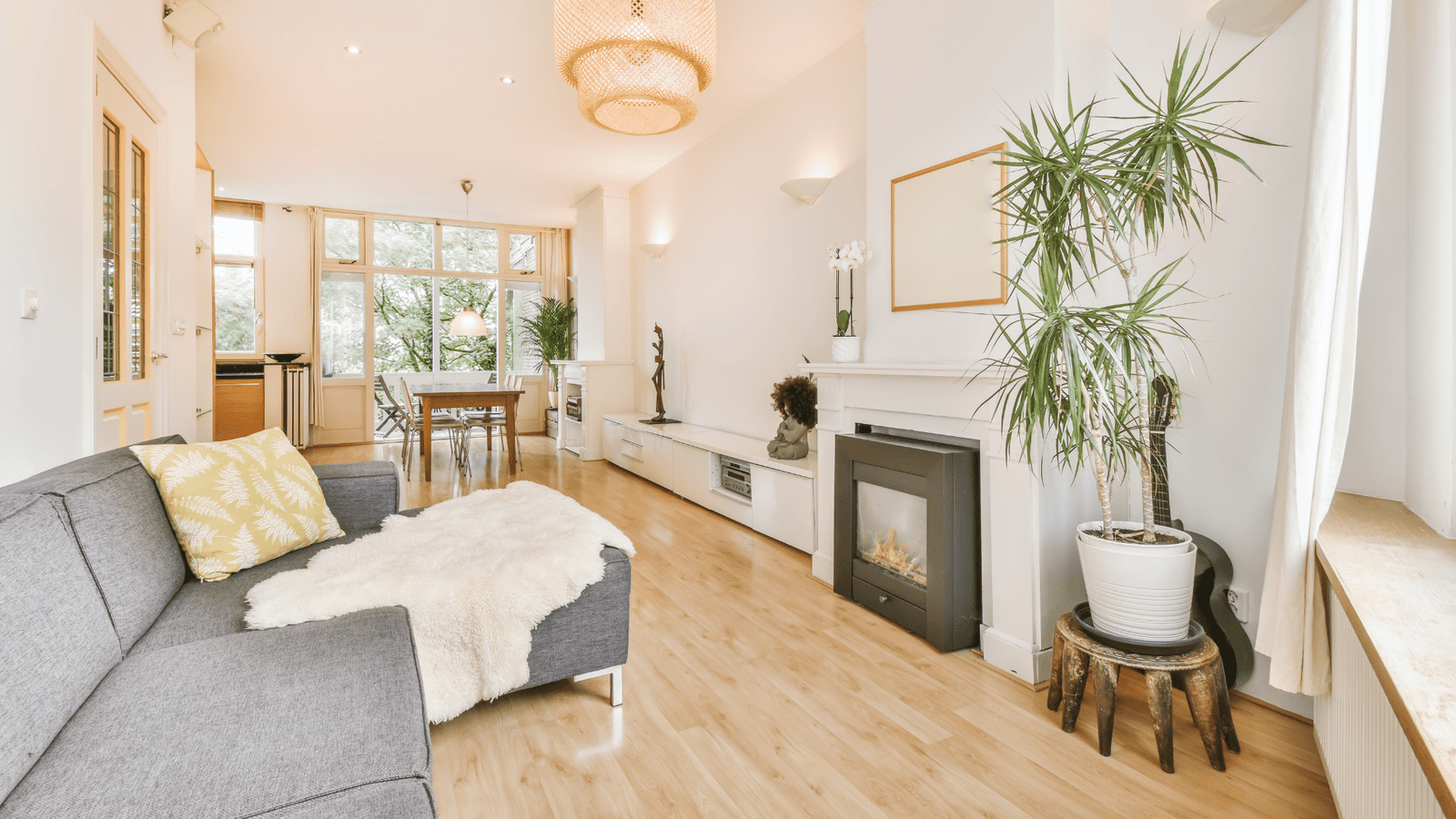
Larger homes usually take longer to clean because there are more surfaces, floors, and rooms to maintain. Every additional space adds tasks like dusting, vacuuming, and wiping down furniture.
However, square footage isn’t the only thing that matters. A home with an open floor plan may take less time to clean than a smaller home with several separate rooms because there are fewer walls, doors, and corners to work around.
Number of Rooms and Bathrooms
Each room adds cleaning tasks, but not every room takes the same amount of time.
Bathrooms often require the most detailed work because they need to be disinfected, scrubbed, and dried. Kitchens are also time-consuming due to food preparation areas, appliances, and grease buildup. Bedrooms, on the other hand, are usually quicker because they mainly involve dusting, vacuuming, and making the bed.
This is why adding another bathroom usually increases cleaning time more than adding another bedroom.
Clutter Level
Cleaning is much easier when surfaces and floors are clear. If clothes, toys, paperwork, or other items are scattered around the house, you’ll spend time picking up before you can actually start cleaning.
Taking just 10 to 15 minutes to declutter before you begin can make the rest of the cleaning process much faster.
Pets and Children
Pets and young children bring plenty of joy to a home, but they also create extra cleaning tasks.
Pet hair, muddy paw prints, fingerprints, food spills, and toys can quickly build up throughout the house. Homes with multiple pets often need more vacuuming, while families with young children may spend extra time wiping high-touch surfaces and cleaning up everyday messes.
Flooring Type (Hard Floors vs. Carpet)
Different flooring requires different cleaning methods.
Carpet usually needs thorough vacuuming to remove dust, dirt, and pet hair. Hard floors often require sweeping first and mopping afterward. If your home has several types of flooring, switching between tools and techniques can add extra time.
Cleaning Frequency
One of the biggest factors affecting cleaning time is how often you clean your home.
Homes that are cleaned every week or every other week are much easier to maintain because dirt and dust don’t have time to build up. On the other hand, waiting several weeks between cleanings usually means spending more time scrubbing, dusting, and removing grime.
This is also why the first professional cleaning appointment typically takes longer than future visits. During the initial cleaning, professionals focus on built-up dirt, neglected areas, and details that aren’t part of regular maintenance. Once the home reaches a clean baseline, recurring appointments are usually much faster.
Type of Cleaning Service
Not every cleaning service includes the same tasks, so the type of service you choose also affects the total cleaning time.
A standard cleaning focuses on routine maintenance, such as dusting, vacuuming, mopping, and cleaning bathrooms and kitchens. A deep cleaning includes additional detail work, such as cleaning baseboards, light fixtures, vents, and other areas that don’t need weekly attention.
Move-in and move-out cleaning often takes the longest because the goal is to leave the home completely clean for its next occupants. This usually includes cleaning inside cabinets, appliances, closets, and other areas that aren’t part of a standard visit.
Average Cleaning Time by Room
Not every room requires the same amount of effort. Some spaces collect more dirt, grease, and moisture than others, which means they naturally take longer to clean.
The estimates below provide a general idea of how long each room takes for a standard cleaning versus a deep cleaning. Actual times will vary based on the room’s size and condition.
| Room | Standard Cleaning | Deep Cleaning |
| Kitchen | 30–45 minutes | 60–90 minutes |
| Bathroom | 20–30 minutes | 45–60 minutes |
| Bedroom | 15–25 minutes | 30–45 minutes |
| Living Area | 20–30 minutes | 40–60 minutes |
| Hallways & Entryways | 10–20 minutes | 20–30 minutes |
Kitchen
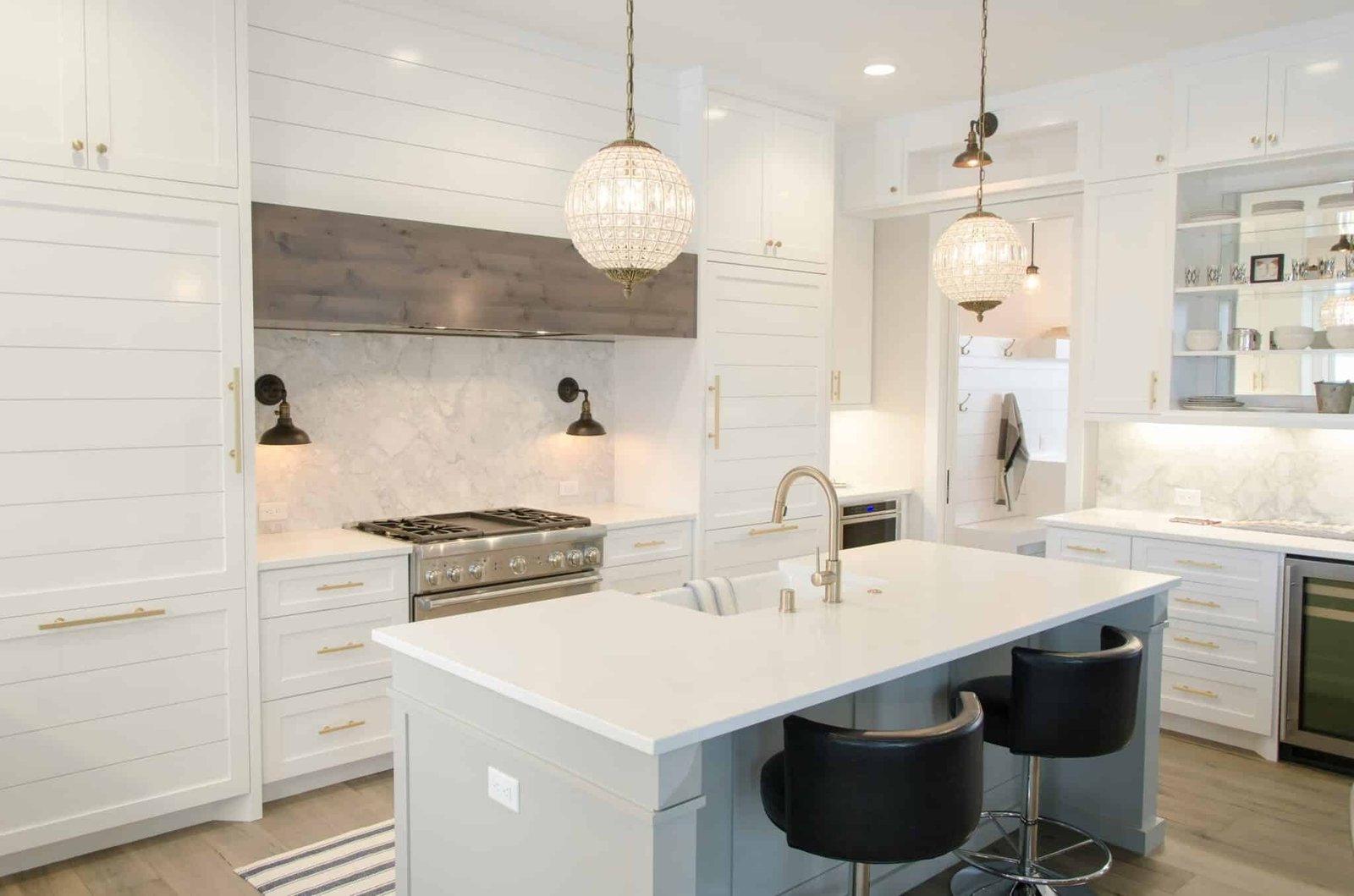
The kitchen usually takes the longest to clean because it has the most surfaces and appliances. Standard cleaning includes wiping countertops, cleaning the sink, and mopping the floor. A deep cleaning includes tasks such as removing grease buildup, cleaning appliance exteriors, and wiping cabinet fronts.
Bathroom
Many homeowners ask, “How long does it take to clean a bathroom?” The answer depends on its size and condition, but most bathrooms take between 20 and 30 minutes for routine cleaning.
Deep cleaning takes longer because it involves scrubbing showers, tubs, tile, grout, and removing soap scum.
Bedrooms
Bedrooms are often one of the quickest rooms to clean. Most of the time is spent dusting furniture, vacuuming or mopping the floor, changing bed linens, and emptying trash bins.
A cluttered bedroom, however, can add significant time to the process.
Living Areas
Living rooms and family rooms are cleaned often because they’re used every day. Dusting furniture, vacuuming rugs, wiping electronics, and cleaning high-touch surfaces make up most of the work.
Larger living spaces with more furniture naturally require more time.
Hallways and Entryways
These areas may be smaller, but they see some of the most foot traffic in the home. Dirt, dust, and debris are tracked in every day, so regular sweeping, vacuuming, and mopping help keep them clean.
Why Fewer Rooms Doesn’t Always Mean Less Cleaning Time
It’s easy to assume that a smaller home should take much less time to clean, but that’s not always the case.
Every home has core areas that require nearly the same amount of work. For example, one kitchen still needs its countertops, sink, appliances, and floors cleaned whether it’s in a two-bedroom home or a four-bedroom home. The same is true for bathrooms, which require detailed scrubbing and disinfecting regardless of the home’s size.
While extra bedrooms and living spaces do add cleaning time, reducing the number of rooms doesn’t always shorten the overall job as much as people expect. The kitchen and bathrooms usually account for a large portion of the total cleaning time.
What Order Should You Clean Your House?
The order you clean your home matters just as much as the products you use. Following a consistent routine helps you avoid cleaning the same area twice, keeps dirt from spreading to already-clean surfaces, and makes the entire process more efficient.
If you’ve ever vacuumed only to find dust on the floor afterward, you’ve experienced why cleaning order is important. Working from top to bottom and from dry tasks to wet tasks helps you finish the job faster while getting better results.
Step 1: Declutter Before You Start
Before you grab a vacuum or spray cleaner, take a few minutes to put away items that don’t belong. Pick up clothes, toys, dishes, mail, and anything else that’s sitting on floors or countertops.
Decluttering first gives you easy access to every surface and helps you focus on cleaning instead of constantly moving things around. Even spending 10 minutes organizing can save much more time later.
Step 2: Dust From Top to Bottom
Always start with the highest surfaces in the room. Dust ceiling fans, shelves, light fixtures, and the tops of furniture before moving to tables, countertops, and other lower surfaces.
This method works because dust naturally falls downward. By cleaning from top to bottom, you only have to remove fallen dust once, rather than repeating your work.
Step 3: Clean One Room at a Time
It can be tempting to vacuum one room, then wipe counters in another, and clean a bathroom before finishing the first room. While this may feel productive, it usually wastes time.
Instead, complete one room before moving to the next. This approach helps you stay focused, reduces unnecessary trips around the house, and lets you see your progress as you go.
Step 4: Save Bathrooms for Last
Bathrooms usually require the most scrubbing and the strongest cleaning products. Cleaning them after bedrooms and living areas helps reduce the chance of spreading germs throughout the house.
Many bathroom cleaners also need a few minutes to sit on surfaces before being wiped away. While the products are working, you can finish another small task nearby instead of waiting.
Step 5: Finish With Vacuuming and Mopping
Floors should always be your final step.
As you dust furniture, wipe counters, and clean shelves, dirt and debris fall to the floor. Waiting until everything else is finished means you only need to vacuum and mop once, leaving your home looking cleaner than ever.
The Best Way to Clean Your House Faster
Many people think cleaning takes all day because they’re moving from task to task without a plan. The good news is that a few simple habits can make your routine much more efficient without sacrificing quality.
The goal isn’t to rush through the job. It’s to eliminate wasted time so you can clean thoroughly and finish sooner.
Gather Your Cleaning Supplies First
Walking back and forth to grab supplies may not seem like much, but those extra trips quickly add up.
Before you begin, gather everything you’ll need, including microfiber cloths, an all-purpose cleaner, glass cleaner, disinfectant, trash bags, and your vacuum or mop. Keeping everything in a cleaning caddy makes it easy to move from room to room.
Work From Top to Bottom
Using the same top-to-bottom method throughout your home prevents dust from settling onto surfaces you’ve already cleaned.
For example, dust shelves before wiping coffee tables, and clean countertops before mopping the kitchen floor.
Choose the Right Cleaning Tools
The right tools can reduce both effort and cleaning time.
Microfiber cloths trap dust more effectively than paper towels. A vacuum with the proper attachments makes it easier to clean corners, furniture, and stairs. Using products designed for specific surfaces can also help remove dirt with less scrubbing.
Set a Timer to Stay Focused
It’s easy to get distracted while cleaning, especially if you’re trying to tackle the entire house.
Setting a timer for each room helps you stay on task. Instead of aiming for perfection, focus on completing the most important cleaning tasks within your time limit before moving on.
Clean Regularly Instead of Waiting
Cleaning becomes much harder when dirt has weeks or months to build up.
Sticking to a regular schedule keeps messes manageable and reduces the amount of scrubbing needed. Even short weekly cleaning sessions often take much less time than occasional marathon cleaning days.
Finish One Room Before Starting Another
Moving between rooms can slow you down because you’re constantly switching tools and changing tasks.
Completing one room before moving on creates a smoother workflow and helps you avoid forgetting unfinished areas.
DIY vs. Professional Cleaning: Which Takes Less Time?
If your goal is to save time, it’s worth comparing how long it typically takes to clean your home yourself versus hiring professionals. While DIY cleaning may cost less upfront, it often requires several hours of your own time.
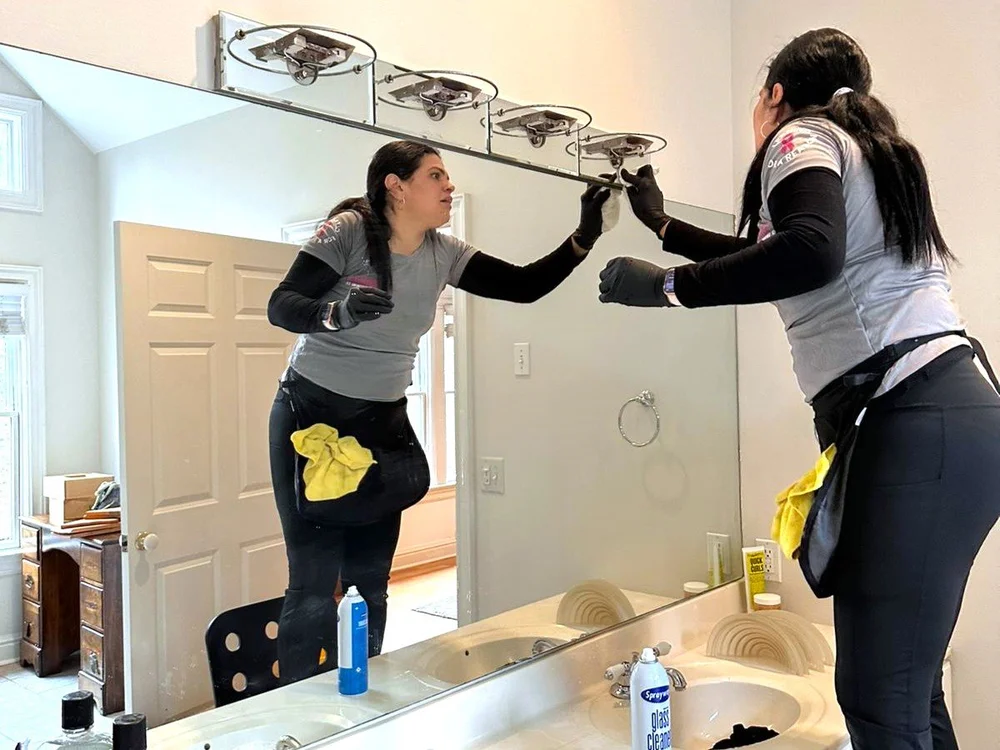
Professional cleaners follow efficient systems, use commercial-grade equipment, and often work in teams, allowing them to complete the same job much faster.
The table below compares the typical time commitment for each option.
| Criteria | DIY Cleaning | Professional Cleaning |
| Average Time for a 2–3 Bedroom Home | 4–6 hours | 2–3 hours |
| Number of People Cleaning | Usually one person | Often a team of two or more |
| Cleaning Equipment | Standard household tools | Professional-grade equipment |
| Cleaning Process | Depends on experience | Efficient, consistent workflow |
| Time Required From You | Entire cleaning session | Only scheduling and providing access |
| Best For | Routine upkeep and light cleaning | Deep cleaning, busy schedules, and recurring service |
While cleaning your own home can work well for regular upkeep, professional cleaning is often the faster option when time is limited, or your home needs more detailed attention.
When to Hire a Cleaning Service
Cleaning your home yourself is certainly possible, but it can become difficult to keep up as work, family responsibilities, and busy schedules compete for your time. If you find yourself spending entire weekends catching up on chores, recurring professional cleaning can help you stay ahead of the mess instead of constantly trying to catch up.
Professional cleaning is especially beneficial if you:
- Have a busy work or family schedule.
- Struggle to keep up with weekly household chores.
- Want to spend less time cleaning and more time doing what you enjoy.
- Prefer to maintain a consistently clean home rather than tackle major cleanups.
- Need help after an initial deep cleaning to keep your home in great condition.
- Want a flexible cleaning schedule that fits your lifestyle.
Many homeowners start with a deep cleaning to bring their home back to a clean baseline. From there, recurring weekly, bi-weekly, or monthly cleanings make it much easier to maintain those results. Instead of spending hours cleaning every weekend, you’ll only need to handle small day-to-day tasks while professionals handle the heavier work.
Save Time With Darine’s Super Cleaning
Knowing how long it takes to clean a house can help you plan your schedule, but you don’t have to do it all yourself. Whether you need routine maintenance or a more detailed cleaning, having the right help can free up valuable time and reduce the stress of keeping your home clean.
At Darine’s Super Cleaning, we provide standard, deep, move-in/move-out, and recurring cleaning services designed to fit your needs and schedule. Our experienced team works efficiently without cutting corners, so you can enjoy a cleaner home while spending less time on household chores.
Contact Darine’s Super Cleaning today to schedule your next cleaning service and let us help you keep your home looking its best year-round.